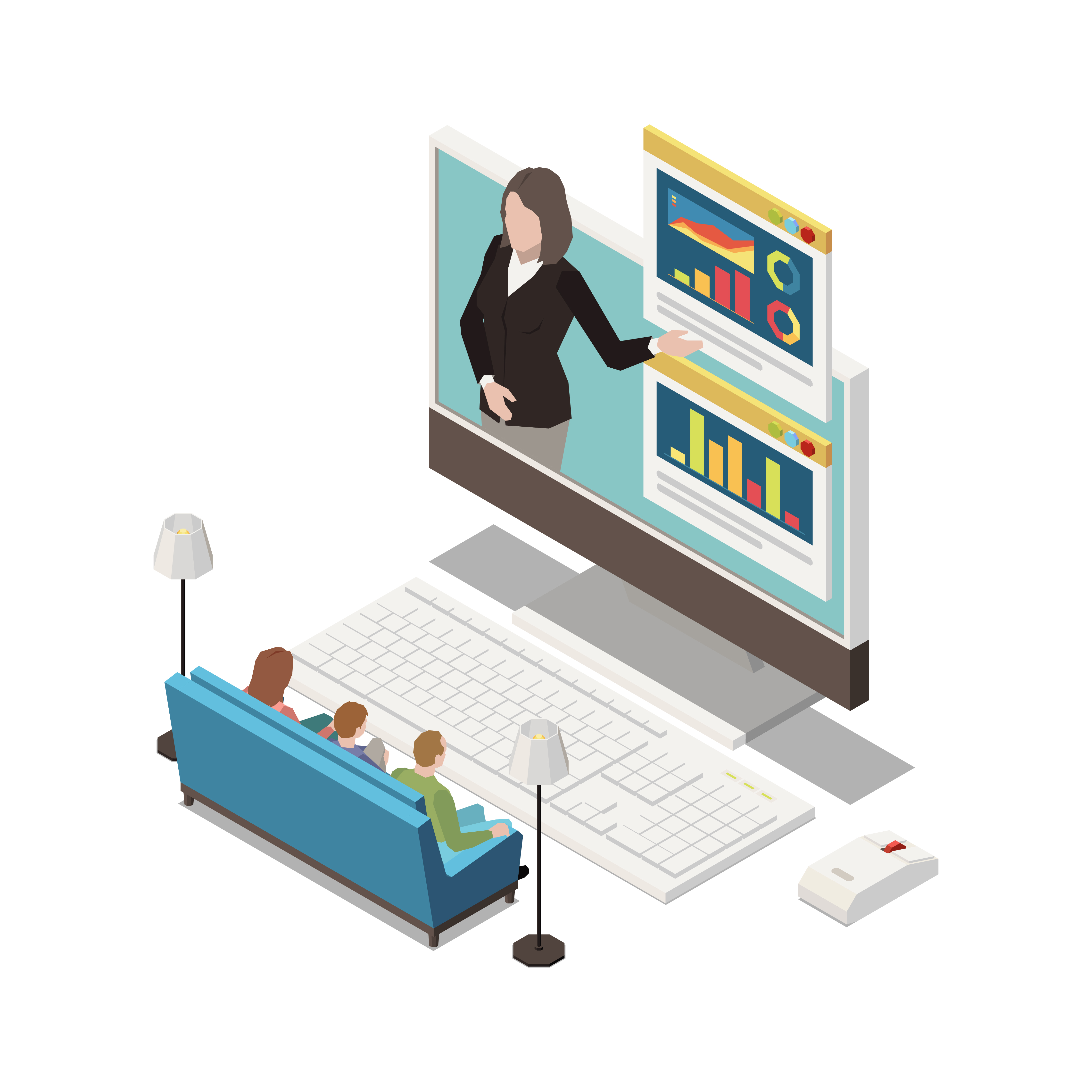
How CA 3D Animated Lectures Make Tough Concepts Click
Close your eyes and try to picture a complex accounting process as a flat wall of text. Now imagine the same process shown as a moving, labelled, three-dimensional sequence that unfolds step by step. The second version is almost always easier to grasp and remember. That simple contrast explains the rising interest in ca 3d animated lectures, a format that turns abstract theory into something the mind can actually see.
Learning is not only about reading harder. It is about understanding faster and retaining longer. Visual animation speaks to the way the brain naturally processes information, which is why this approach has gained such momentum among aspirants.
What exactly are 3D animated lectures?
These are video lessons where concepts are explained through three-dimensional visuals, motion, and layered illustration rather than static slides or plain talking.
They typically bring to life:
Processes that unfold in stages, shown as moving sequences.
Relationships between elements, shown through connected visuals.
Abstract ideas, given a concrete, visible form.
Comparisons, shown side by side in a single frame.
Instead of asking you to imagine a process, the lecture shows it to you, which reduces the mental effort needed to understand.
Why the brain loves visuals
Human memory holds images more readily than blocks of text. When a concept is tied to a moving visual, it gains a mental anchor that makes recall easier during revision and in the exam hall. This is not a gimmick. It reflects how learning actually works.
How do animated lectures improve retention?
Understanding a topic once is useful. Remembering it weeks later is what wins marks. Animation strengthens the second.
Consider the benefits:
A visual sequence is easier to recall than a paragraph.
Motion holds attention better than a static screen.
Layered visuals show cause and effect clearly.
Repetition of a visual builds lasting memory.
When revision time comes, students often find they can replay the animation in their mind, which brings the concept back far faster than rereading notes.
Where do animated lectures fit best?
Not every topic needs animation equally. The format shines where ideas are hard to picture.
It works especially well for:
Multi step processes with many moving parts.
Concepts that build one layer on another.
Topics students commonly describe as confusing.
Areas where a diagram explains more than words.
For the advanced stage of the course, you can explore structured visual lessons through the CA Final resources, which pair concept clarity with exam focus.
Blending animation with practice
Watching a lecture builds understanding, but understanding must be tested to become reliable. The strongest approach pairs animated learning with regular written practice. You can connect visual learning to structured mock practice on the CA Test Series platform, so concepts move from your screen into your exam answers.
Making the most of animated learning
A lecture watched passively teaches less than one watched actively.
Use these habits:
Pause after each visual sequence and restate it in your own words.
Make a quick note of the key steps shown.
Attempt a few questions on the topic soon after watching.
Revisit the animation during revision for a fast refresher.
To ensure your visual learning covers every required area, align it with the detailed Syllabus for Test Series so no topic is left behind.
The real power of animated lectures lies in how they turn effort into clarity, showing you a concept rather than asking you to imagine it. Pair that clarity with steady practice, and the toughest topics stop feeling like walls of text and start feeling like something you can actually see and remember.