
How to Create a CA Study Timetable That You’ll Actually Follow
Learning how to create a CA study timetable is not about filling every hour with study. A practical timetable should help you complete the syllabus, revise regularly, practise exam-style questions, and test progress without creating a routine you abandon after a few days. Whether you are preparing for CA Foundation, Intermediate, or Final, your schedule should match your available time, preparation level, weak areas, and exam date.
Why Most CA Study Timetables Fail
Most CA timetables fail because students plan for an ideal day instead of a realistic one. Excessive study hours, no buffer time, equal time for every subject, and delayed revision can make a schedule unmanageable. A better timetable balances syllabus completion with practice, revision, testing, and flexibility.
Avoid Unrealistic Study Hours: Planning 12–15 hours every day is ineffective if you can consistently manage only six or eight focused hours. Start with a realistic capacity and increase it only when your concentration, sleep, and responsibilities allow it.
What to Know Before Creating Your CA Study Timetable
Before building your schedule, confirm your CA level, group, exam attempt, preparation days, commitments, and syllabus status. Classify chapters as strong, average, or weak so that time is allocated according to actual needs.
Calculate Your Realistic Study Time: Subtract sleep, meals, travel, classes, college, articleship, work, and other fixed responsibilities from your day. The remaining focused hours should become the base of your timetable because a sustainable plan is more useful than an ambitious one.
Audit Your Syllabus: Mark each chapter as completed, partially completed, or not started, then identify whether it needs concept learning, revision, or question practice. This helps you prioritize unfinished and weak areas while maintaining stronger topics through shorter revision sessions.
How to Create a CA Study Timetable Step by Step
Work backwards from your exam date and convert the syllabus into monthly, weekly, and daily targets. Break subjects into chapters, prioritize difficult and unfinished areas, assign them to your best study hours, and reserve separate blocks for revision, question practice, mock tests, and backlog recovery.
Convert Big Goals Into Daily Tasks: Instead of vague targets such as “study Audit,” use specific tasks such as “revise one standard,” “solve 25 questions,” or “complete one chapter test.” Measurable tasks make progress easier to track.
Sample Daily CA Study Timetable
Use a sample timetable as a flexible framework. Full-time students may use more blocks, while college, working, and articleship students may need shorter weekdays and longer weekend preparation.
Time Block | Suggested Activity | Purpose |
Morning | Difficult practical or weak subject | High-focus learning |
Late morning | Second subject | Syllabus progress |
Afternoon | Theory or lighter study | Balanced workload |
Evening | Question practice | Application |
Night | Short revision and error log | Retention |
For College or Articleship Students: Use early mornings, evenings, and weekends strategically, and judge progress through weekly targets instead of expecting identical study hours every day. Busy weekdays can focus on shorter revision or practice, while weekends can include longer chapters and mock tests.
How Many Hours Should a CA Student Study Each Day?
There is no universal number of study hours that guarantees CA success. Instead of measuring only sitting time, track completed chapters, revision targets, questions solved, accuracy, and test performance.
Change Your Hours With the Preparation Stage: During early preparation, prioritize concept clarity and steady syllabus completion. As the exam approaches, shift more time toward active recall, problem-solving, revision, timed papers, and test analysis.
How to Balance Subjects, Revision and Practice
A strong CA study schedule should balance practical and theory papers while giving weak areas more frequent attention. Practical subjects need repeated problem-solving, while theory-heavy papers benefit from understanding, structured recall, keywords, provisions, and writing practice.
Build Revision Into the Timetable From the Start: Do not wait until the entire syllabus is finished before revising. Use short same-day revision, weekly consolidation, and larger phase-wise revision cycles so that earlier topics remain active.
Include ICAI Questions and Mock Tests: Schedule ICAI study material questions, RTPs, MTPs, previous exam questions, chapter-wise tests, subject-wise tests, and full-syllabus mocks. Follow tests with analysis of errors, presentation, time management, and skipped questions.
What to Do When You Fall Behind
Falling behind does not mean your entire timetable has failed. Identify whether the backlog came from unrealistic planning, distractions, difficult chapters, illness, classes, or articleship, then reschedule essential tasks and spread recovery across several days.
When to Rebuild the Timetable: Create a new timetable if you repeatedly miss major targets, your available hours change significantly, or the exam is much closer than when the original plan was created. The revised schedule should reflect your current syllabus position.
Simple Weekly CA Study Planner
A weekly planner gives you structure without making every day rigid. Set a syllabus target, divide it across six active study days, reserve time for revision and practice, keep one catch-up slot, and review the results before planning the next week.
Weekly Area | What to Track |
Syllabus | Planned vs completed chapters |
Revision | Topics revised |
Practice | Questions and accuracy |
Tests | Score, time and errors |
Backlog | Tasks carried forward |
How CA Test Series Can Fit Into Your Timetable
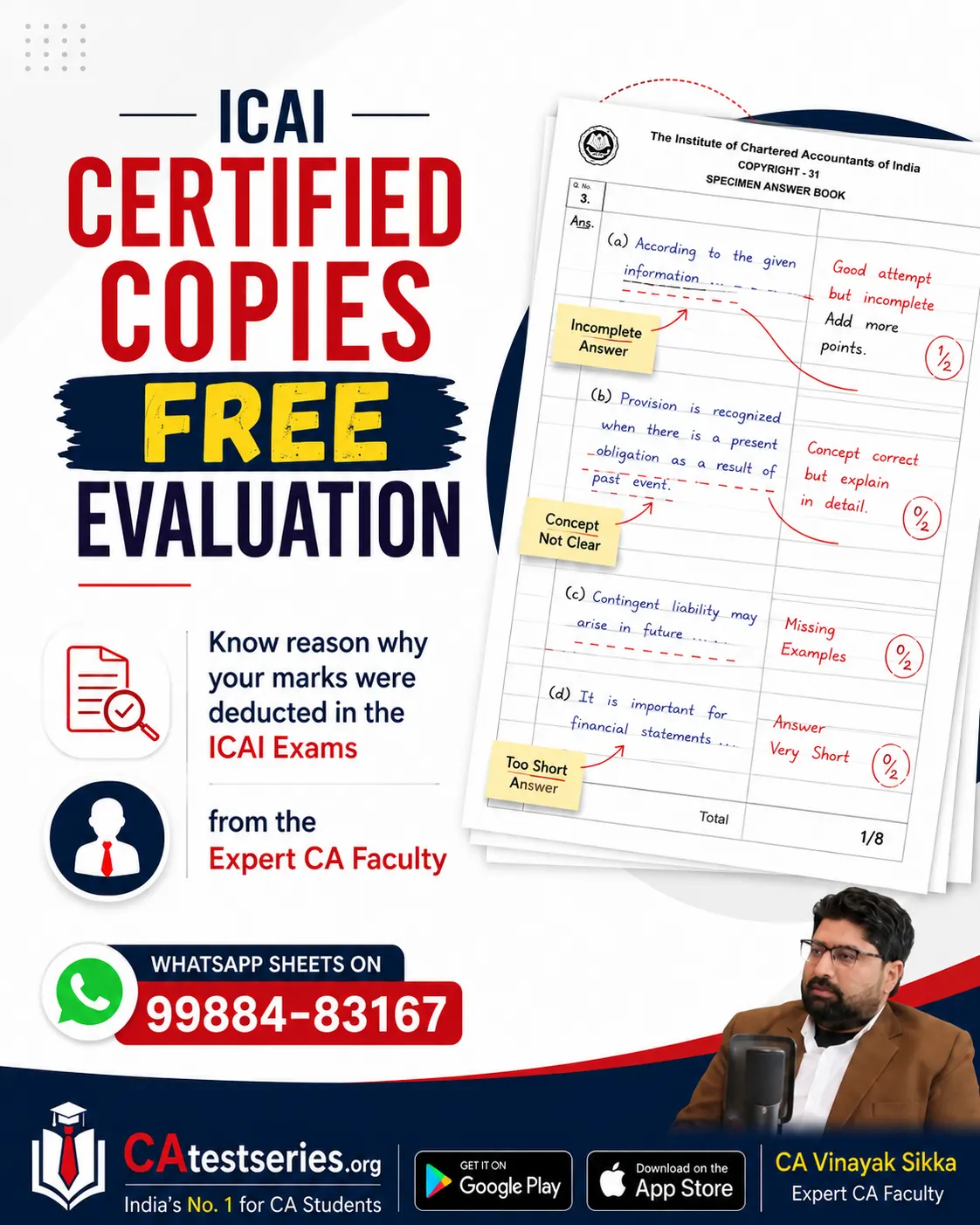
CA Test Series can serve as the testing and feedback layer of your preparation. Use chapter-wise tests during learning, subject-wise tests during revision, and full-syllabus mocks before the exam; expert evaluation can then highlight weaknesses in concepts, presentation, accuracy, and time management.
Quick Checklist Before Finalizing Your Timetable
Before following your plan, confirm that the workload is realistic, every subject is covered, weak areas receive extra attention, revision and question practice are scheduled, mock tests include analysis time, and buffer periods are available. Ask whether you can follow the routine for several weeks without sacrificing sleep.
Conclusion
Understanding how to create a CA study timetable means building a system you can follow, measure, and improve. A strong timetable combines realistic study hours, clear syllabus priorities, regular revision, question practice, mock tests, buffer time, and weekly reviews. A flexible, accountable schedule becomes a practical tool for progressing toward CA Foundation, Intermediate, or Final exams.