
CAtestseries vs Other Faculty: Teaching & Study Material
Introduction
Choosing the right faculty while studying or preparing for the CA course is just as challenging as the course itself, which makes a comparison like CAtestseries vs Other Faculty important for CA Students. This is because every teacher has a unique teaching pace, style, language, and study pattern. Conversely, every student has their own distinct way of studying, grasping concepts, and managing their study schedule. Therefore, several factors must be considered when selecting a faculty member. Some students prefer lectures with detailed explanations, while others prefer lectures with exam-oriented presentations. In this study, we will compare key factors across different faculties. We will learn how to identify the best faculty by comparing aspects such as teaching style, language, study material, doubt-solving, updated syllabus, and revision strategy.
CAtestseries vs Other Faculty
Key Features | CAtestseries | Competitor Faculty |
Teaching Pattern | Exam-Focused and Practical-based Pattern | Conventional concept-based teaching |
Conceptual Clarity | Topic-wise theoretical and practical explanation | Step-by-step conceptual explanation |
Lecture Schedule | Flexibility according to the students' needs | Both offline and online are available |
Syllabus Update | All the study material is according to the New Patterns only | Latest Amendments Related |
Study Material | Notes, charts, and previous year paper revision | Standard Class notes |
Language | Simple and friendly language | Formal and Structured Language |
Revision Strategy | Separate Revision Practice after lectures | Revisions with lectures only |
Experience | Experienced Teaching Faculties | Experienced CA Faculty |
Doubt-Solving | Dedicated to doubt-solving and one-to-one doubt-solving sessions | General Doubt Solving |
ICAI Questions Practice | Regular Practice of ICAI-based questions | Selected ICAI questions practice |
Overview of CAtestseries Faculty
Faculty Name | Best for | Experience | Rating |
CA Himanshu | Cost & Management Account | Practising CA experienced in teaching, mentoring, note-making, and doubt-solving | 4.7/5 |
CA Jasmine | Auditing & Ethics | 2 years of corporate experience, strong CA results, and expertise in Auditing & Ethics | 4.7/5 |
CA Chesta | Financial Management, Direct Tax | ICAI member with expertise in Direct Tax and Financial Management, known for structured revision and student guidance | 4.8/5 |
CA Vinayak Sikka | Tax & Accounting | 3 years of banking experience with expertise in GST, Accounts, and practical Taxation | 4.6/5 |
CA Tanvi | Corporate & Other Law | 4 years of experience with expertise in Corporate & Business laws and case-based answer writing. | 4.8/5 |
CA Anil Chawla | Advanced Financial Management | Corporate experience with expertise in Advanced Financial Management and a concept-focused teaching approach. | 4.7/5 |
CA Inderjeet Kalra | Indirect Tax, Financial Reporting | Industries and audit experience with expertise in Financial Reporting, Indirect Tax, and Ind AS. | 4.6/5 |
CA Mehak | Business Economics | CA with B.Com and M.Com, experienced in Business Economics and known for simple, example-based teaching. | 4.8/5 |

How CAtestseries Uses Animated Lectures for Learning
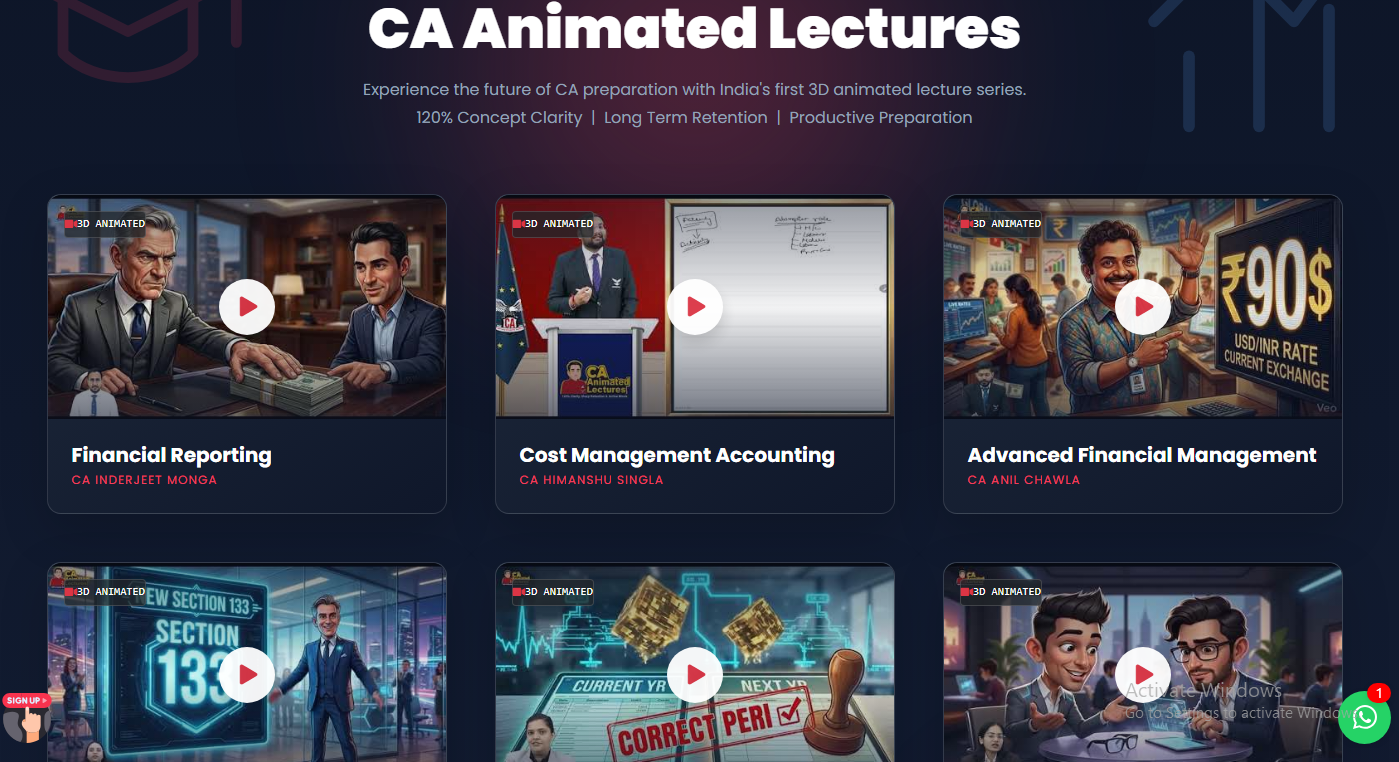
The animated lectures from CAtestseries help make the student learning experience easier and more engaging. Instead of relying solely on teacher explanations or written notes, complex and lengthy CA concepts are explained using animations, diagrams, illustrations, and step-by-step visuals. Visualising a concept alongside the teacher’s explanation makes it comparatively easier for students to grasp the material. Animations and visual aids also prove useful for quickly recalling key concepts during revision. Thus, the animated lecture approach supports conceptual clarity, engagement, and better retention.
Teaching Pattern and Conceptual Clarity
CAtestseries Faculty
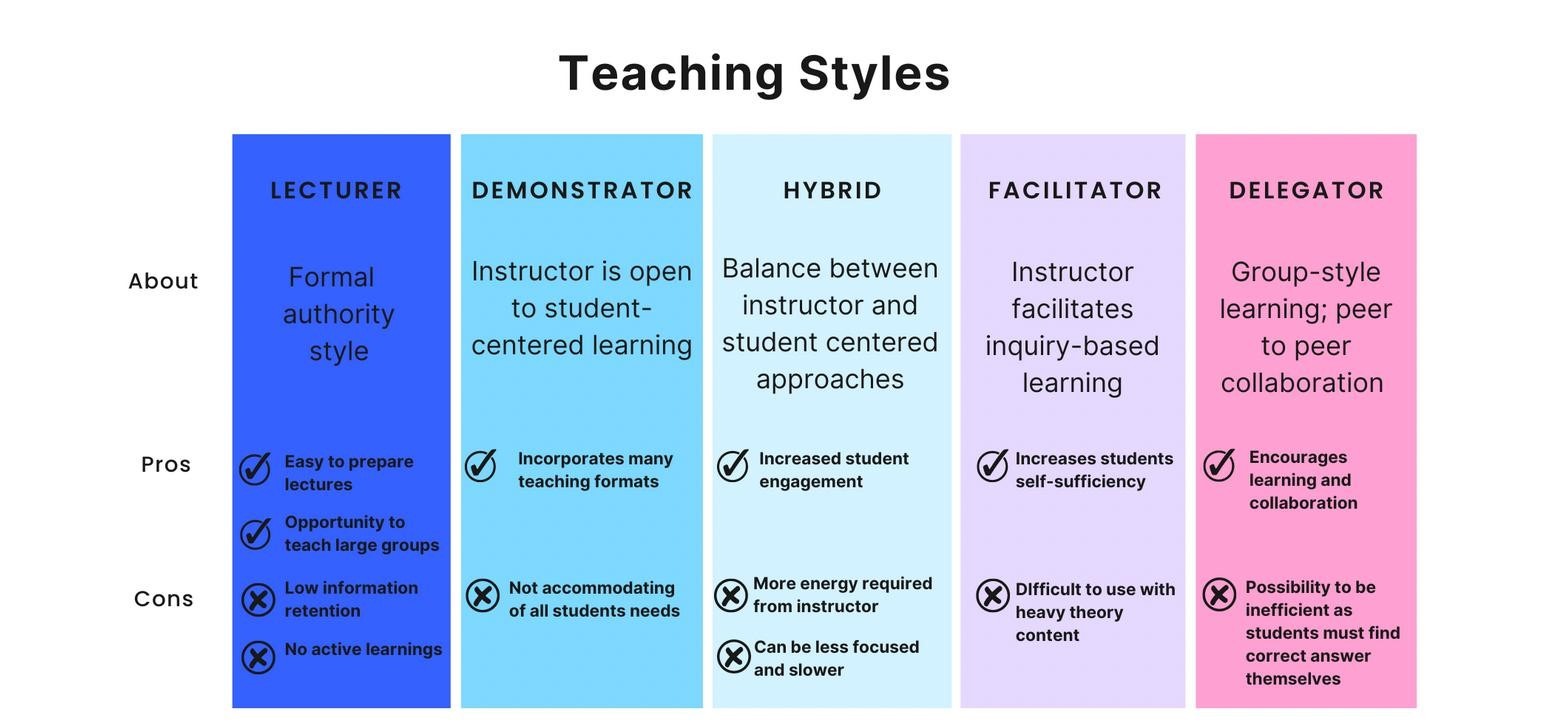
The teaching pattern of CAtestseries is designed around conceptual clarity, an exam-oriented approach, and practical solution strategies. Complex topics are explained step-by-step using simple, student-friendly language. This approach not only helps students grasp the concepts but also enables them to understand how and where to apply them in the exam. Therefore, the faculty’s approach is particularly well-suited for students who prioritise clear concepts, practical problem-solving, and exam-focused preparation.
Competitor Faculty
The teaching pattern of competing faculty generally focuses on systematically covering concepts and completing the syllabus through detailed lectures. In-depth explanation and a step-by-step approach to topics may be preferable for students who wish to learn concepts progressively. Therefore, students should also consider their own study routine, the pace of instruction, and the exam-oriented nature of the approach.
Syllabus Coverage and Lectures Schedule
CAtestseries
The syllabus coverage in the CAtestseries follows a structured, exam-oriented approach. It goes beyond just covering the syllabus; students are taught to solve every topic and practical problem systematically, step by step. The lecture schedule is highly flexible, allowing students to revise the material during or after the sessions easily. Sufficient time is provided after each lecture, enabling students to maintain consistent practice.
Competitor Faculty
Instructors from rival institutions usually do so by taking chapter-wise classes and explaining the topic in detail. Time is provided for each topic depending upon its difficulty and chapter, thus giving the students enough time to understand the concepts. Nevertheless, it is also important for the students to be left with enough time besides covering the syllabus for their revision and preparation for the examination.
Study Material and Revision Strategy
CAtestseries
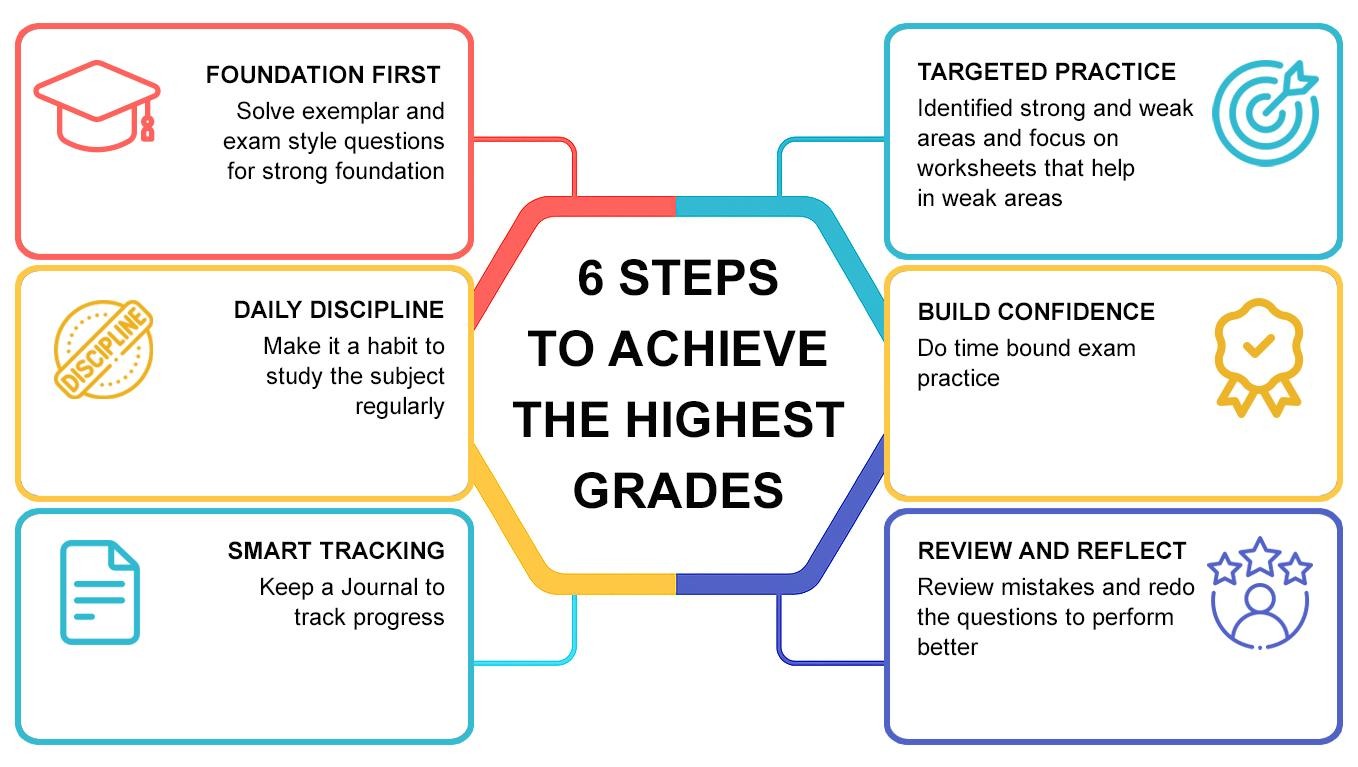
The CAtestseries study material is structured so that every student can easily grasp each topic with the help of simplified notes, summaries, charts, and quick-study resources. The revision strategy is designed to eliminate the need for repetitive reading or rote memorisation; students understand the material so thoroughly during a single practice session that the topic feels completely familiar and accessible to them thereafter. CAtestseries may work well for students who prefer structured and exam-oriented learning. However, students who prefer a slower pace or completely self-paced learning may find another faculty more suitable.
Competitor Faculty
Study material from competing faculties is generally aligned with the lectures, and students are provided with detailed notes and supporting resources to revisit topics. Students primarily rely on class notes and available revision resources for their review. While detailed material can be useful for gaining a comprehensive understanding, as the exam approaches, students need to identify key areas and focus their revision accordingly.
ICAI Amendments and RTPs, MTPs Practice
CAtestseries
The CAtestseries faculty delivers lectures that specifically incorporate the latest amendments, ensuring students can easily review new ICAI updates without facing any difficulties. Additionally, the faculty conducts practice sessions using RTPs and MTPs so that students can clearly understand the exam pattern and learn the best strategies for attempting the exam.
Competitor Faculty
Competitor faculty courses may incorporate applicable ICAI amendments into the syllabus, while RTPs and MTPs are covered as part of exam preparation. Students are familiarised with the latest changes and official practice material, although the depth of explanation and extent of RTP/MTP coverage may vary depending on the course structure.
Doubt Solving and Exam Preparation
CAtestseries
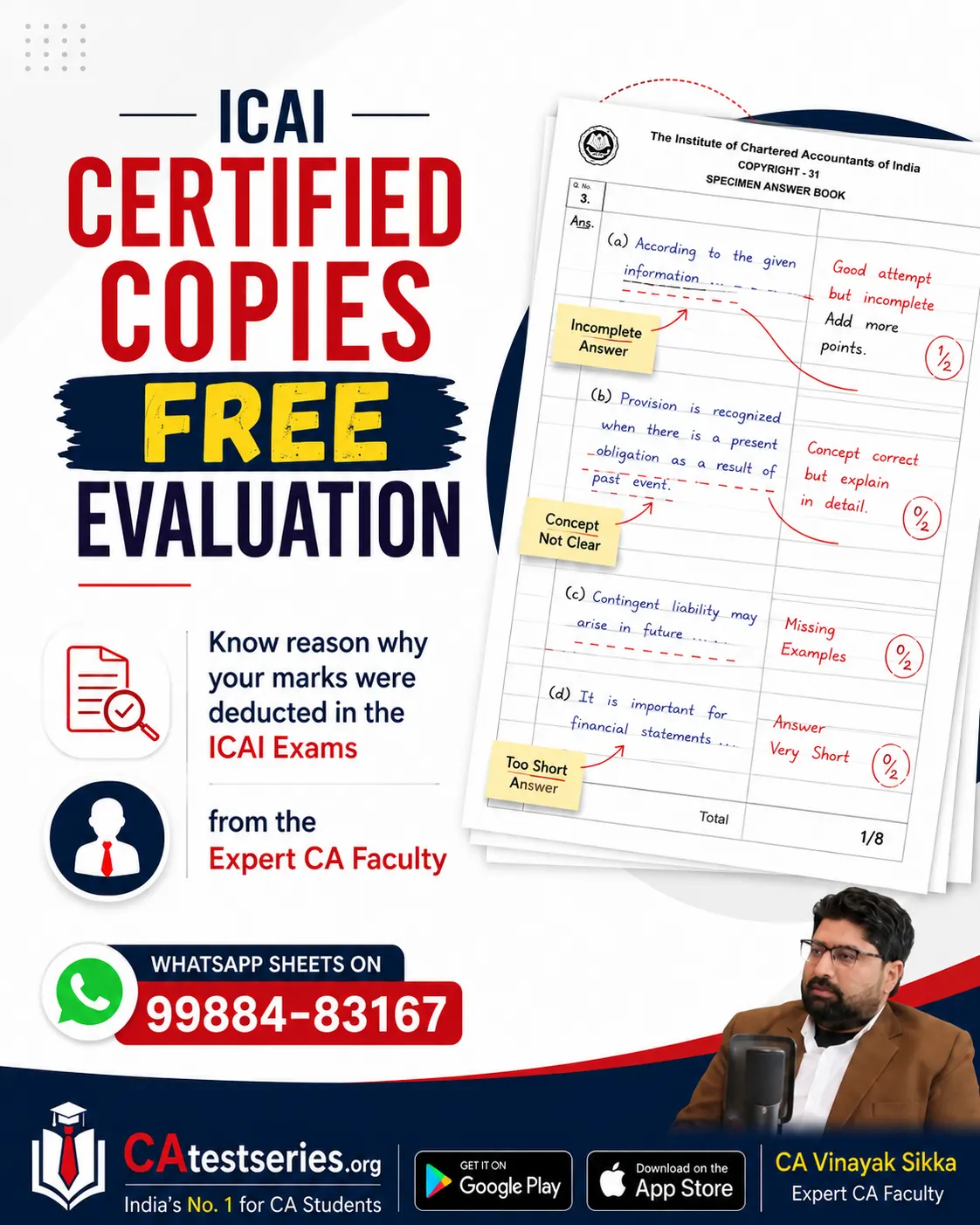
The faculty at CAtestseries focuses not only on clearing doubts but also on making students practically ready for the exam. For exam preparation, students receive guidance on identifying mistakes, improving answer presentation, managing time, and formulating strategies for attempting the paper. This helps students not just clarify their doubts but also identify weaknesses in their preparation and address them before the final exams.
Competitor Faculty
The faculty provide help in solving doubts, helping the students to understand the difficult subjects easily. For preparing for the exams, the faculty concentrates on the important questions and case studies, making sure that the students prepare effectively within a short time period.
Benefits of learning from good faculty
For a subject like CA Final Direct Tax, a good faculty member not only covers the syllabus; they also provide tips, materials and strategies that make even difficult topics easy to understand.
To improve conceptual clarity: It becomes easier to understand difficult topics and provisions, which improves our conceptual clarity.
Complex topics become easy: Students are taught to solve lengthy provisions and numerical problems using a strategic approach, making it easy to resolve even complex topics.
Answer presentation improvement: You learn from good faculty how to present different types of answers in the exam - specifically, how to structure the presentation step-by-step and manage the time effectively.
A good revision strategy: With the help of good study material, mock tests, chart-based summaries, concept notes, and a question bank, revision becomes better, and the syllabus can be revised efficiently.
Exam confidence improves: Repeatedly revising strategies, solving mock tests, and getting doubts resolved promptly build confidence in students for taking the exams.
Why Choose CAtestseries Faculty?
1. Strong Conceptual Clarity: These instructors explain various concepts in a specific and simple way, enabling students to understand them easily and quickly.
2. Problem Solving and Presentation Skills: These faculty members not only explain concepts but also teach how to solve problems easily; furthermore, they provide guidance on presentation skills — specifically, how to present different types of questions effectively.
3. Case Studies and Updated Amendment Approaches: In addition to teaching theoretical subjects, these mentors also train students by taking up case studies based on real-life experiences. Moreover, they make sure that each subject is taught in compliance with the latest amendments.
4. Easy Notes & Chart- based Summaries: These faculty members provide students with easy notes to help them memorise topics effortlessly; additionally, they offer chart-based summaries that make it easier for students to understand complex topics engagingly.
5. Memory Techniques & Step-wise ideas for Numerics: Memory techniques help in easily memorising topics from theory subjects, while step-by-step approaches teach how to solve numerical problems and manage time effectively during the process. By using both these methods, the teacher assists students in preparing more effectively for their studies.
Faculty’s Approach for Repeaters
Do not pick a tutor on the basis of great recommendations or ratings alone because you have to identify the problems in your studies that caused you to be a repeater and then select a tutor who can help you overcome those particular deficiencies.
Those who are repeating classes should go for tutors who make all the basics of each subject clear from the beginning, revise frequently, and adopt an examination-based approach. You should always attend the demo lecture before choosing a tutor and check whether their language and teaching match your requirements.
The most important thing is that, instead of frequently switching between different teachers, you should carefully select one teacher and stick to their strategy - maintaining proper discipline, practising regularly, and using the study material they provide.
Turn Your Preparation into Practical
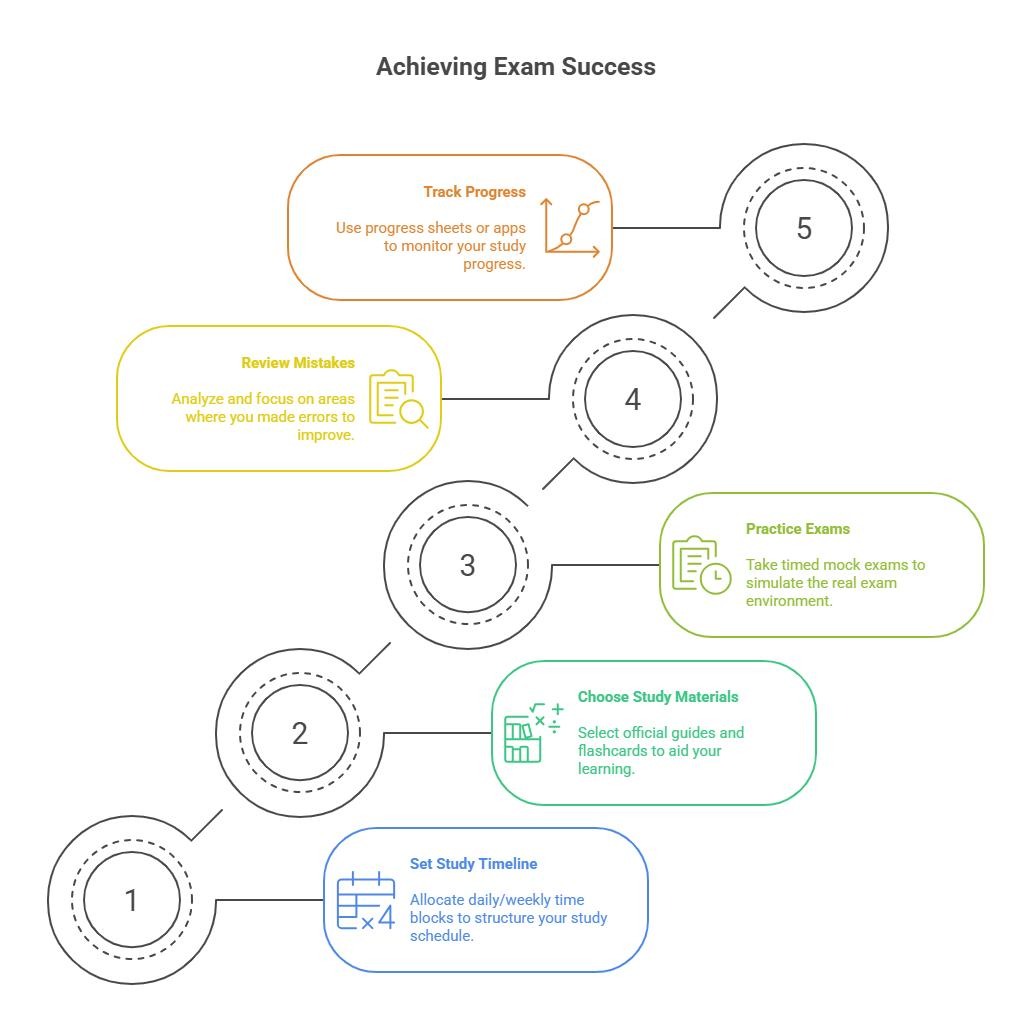
Simply selecting good faculty and completing lectures or the syllabus is not enough; practicing under conditions that simulate the actual exam environment is equally important. Self-evaluation, self-study, and regular practice are just as crucial as completing the lectures. Regular practice and self-evaluation help students work on their weak areas, improve answer presentation, and enhance time management. Choose a faculty member based on your learning needs and compare the teaching approach, study material, revision support, and doubt-solving methods before making your decision.
Conclusion
Choosing the right faculty is a crucial part of your preparation—just as important as memorising or completing the syllabus. The same faculty member may not be the best fit for every student, as everyone has a unique learning and comprehension style. Therefore, before finalising a faculty member, attend a few demo lectures to get an idea of their teaching pattern, study material, doubt-solving process, and pace of instruction. Once you have selected the faculty, maintaining consistency is vital. Over-reliance on too many resources and lectures may confuse and affect the quality of your preparations. It is essential to balance lectures with self-study and self-evaluation. Don't just aim to complete your preparation; transform it into effective exam readiness with the CAtestseries.