CA Vinayak Sikka Regular vs Revision Batch Guide
Choosing a regular batch or a revision batch is one of the toughest decisions a CA aspirant has to make when it comes to subjects like taxation (income tax and GST). CA Vinayak Sikka is a faculty member on CAtestseries.org.
Who is CA Vinayak Sikka?
CA Vinayak Sikka is a CA and an educator at CAtestseries.org in GST, Accounting, and Taxation. He brings practical experience from corporate and financial sectors to his teaching. His Regular and Revision batches are taken by both CA Inter Taxation students building their base and CA Final GST students revising closer to exams.

Quick Profile Review
Detail | Information |
Name | CA Vinayak Sikka |
Qualification | Chartered Accountant |
Subjects Taught | Income Tax & GST (Direct + Indirect Taxation) |
Platform | |
Teaching Style | Concept-based, exam-oriented, practical examples |
He teaches using the principles of taxation in practice and does not make students engage in mere memorisation.
What is Regular Batch?
The Regular Batch is a complete syllabus batch conducted for the first time, where students learn a subject from scratch. The Regular Batch is conducted on a chapter-wise and section-wise basis, taking zero prior knowledge about the subject.
Features of Regular Classes
100 per cent ICAI syllabus covered on a section-wise basis
Explaining concepts from basic to the advanced level
Concepts through various examples, practical problems, and case studies
Updates on Amendment & Finance Acts within the concerned chapters
Increased time span since everything is taught assuming nothing is "already known"
Perfect for acquiring conceptual clarity of Income Tax and GST
What is Revision Batch?
The Revision Batch is an exam-oriented revision session for those who have undergone a full course (with any faculty member) once before. It is not an intensive session that teaches any new concept; it is a session that revises the whole syllabus.
Key Features of Revision Classes
Quick Chapter-wise Revision: Complete revision of the entire chapter with comprehensible charts, diagrams, tables.
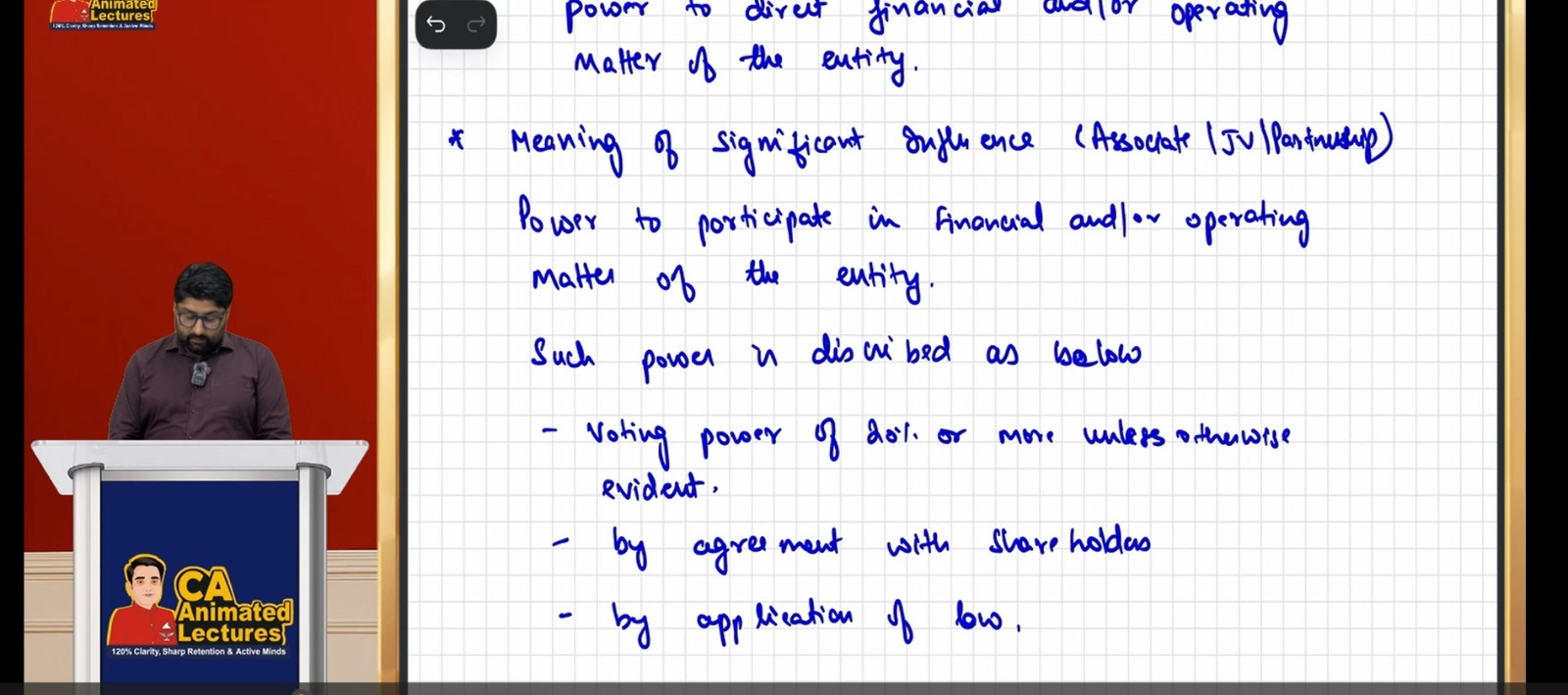
Important and Tough Concepts: Receive special focus on the important and tough concepts, areas, and topics to concentrate on the things that really matter for your revision.
Problem Solving Sessions: Improve your preparation through practical problem-solving classes, along with useful tips and tricks to help you tackle problems.
RTPs, MTPs & Examination: Practise relevant questions from RTPs and MTPs based on examination trends and the concepts to be covered.
Quick Pre-examination Completion: These classes have been specially designed for the last few days of the examination period to revise your important topics in a short time.
Animation in lectures – an important teaching technique
One technique commonly used in CA Vinayak Sikka's Taxation lectures, both Regular and Revision, is the use of animations to understand certain provisions. This technique involves using visual aids other than just the traditional method of slide presentations or textbook reading to understand:
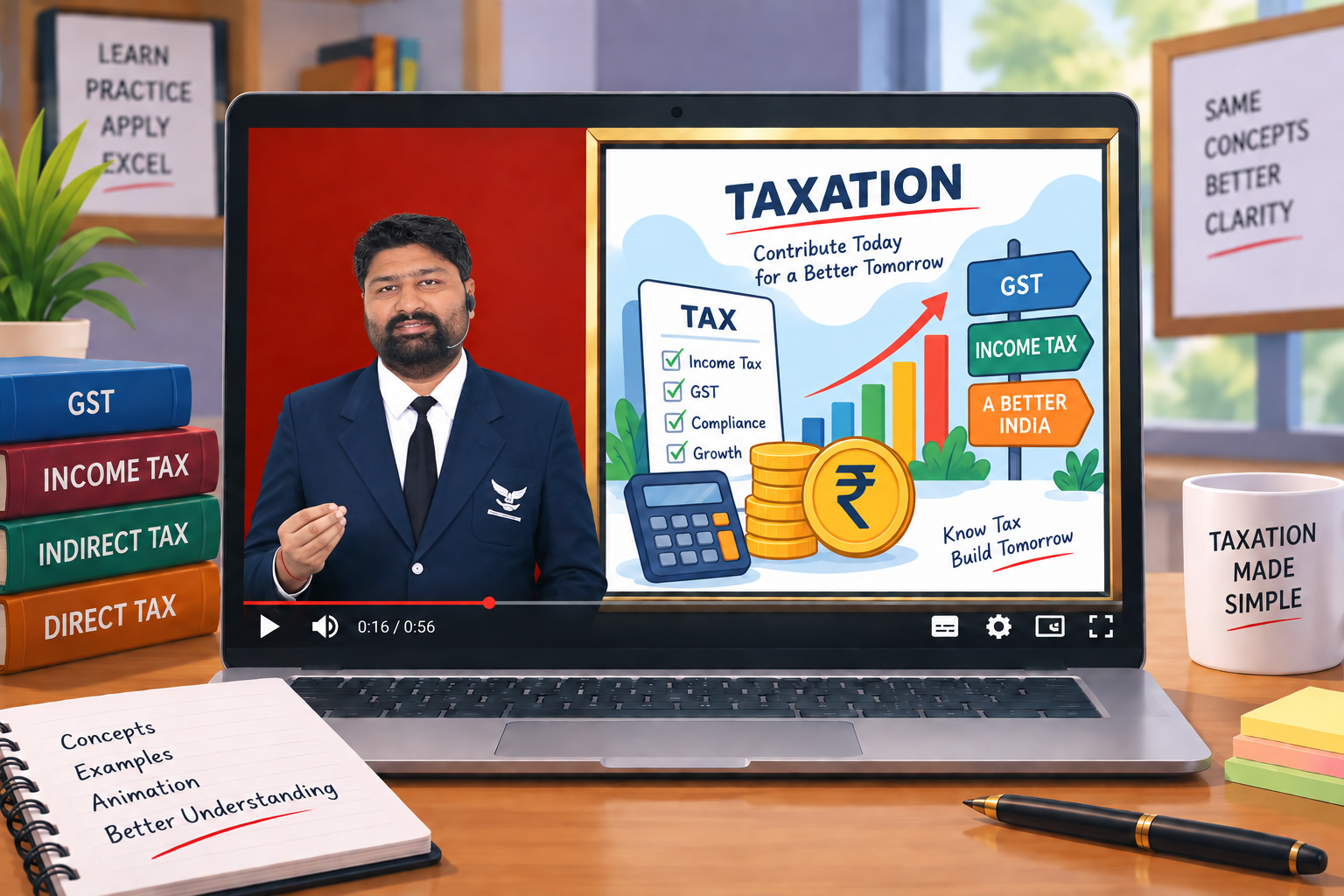
The flow of transactions under GST (for example, how input tax credit flows in the supply chain)
The logic behind calculations for certain heads of income tax, such as Capital Gains or House Property
Time-based provisions (such as deadlines, assessment, and appeals)
Cause-and-effect scenarios (where one deduction affects the total liability)
Regular vs Revision: Comparison
Points | Regular Batch | Revision Batch |
Purpose | First-time in-depth learning | Quick revision before exams |
Best for | New students, first attempt | Repeaters, students who have studied the subject once |
Syllabus coverage | 100%, from fundamentals | 100%, but summarized |
Teaching pace | Slow to moderate | Fast, high-intensity |
Depth of examples | Detailed, step-by-step | Selective, high-weightage focus |
Duration | Longer ( For months) | Shorter (For days and a few weeks) |
Study material | Full comprehensive book and notes | Summary notes, charts, amendment booklets |
Ideal timing to start | Right after exam registration / early in attempt cycle | 4–8 weeks before the exam |
CA Vinayak Sikka’s Batch Schedule
Though fees, dates, and validity vary with every cycle of attempts, the following is the format that one can expect from examining CA Vinayak Sikka’s Regular & Revision batches at CAtestseries:
Detail | Regular Batch | Revision Batch |
Mode | Online (recorded and live) | Online (recorded/live, as offered) |
Language | Hindi + English mix | Hindi + English mix |
Applicable levels | CA Inter and CA Final (subject-dependent) | Same level as the Regular Batch taken |
Includes study material | Yes (comprehensive notes) | Yes (summary notes and charts) |
Doubt-solving support | Available throughout the course | Available, but time near exams |
Device access | Mobile, laptop, tablet | Mobile, laptop, tablet |
Update policy | Amendments added as per the Finance Act | Fully updated for the current attempt |
How to Score Well in Taxation
Scoring well in taxation but application-oriented subject such as Taxation, is not about attending more lectures; it is about sequencing.
First, start with the Regular Batch to develop conceptual understanding of income tax and GST.
Consistently practice while going through the Regular Batch; do not wait until the last moment to solve questions.
Attend the Revision Batch 6-8 weeks before your exams to revise everything, pay attention to amendments and focus on weightage chapters.
Lastly, attempt RTP ( Revision Test Paper) and MTP ( Mock Test Paper) after taking the Revision Batch.
Revise the summary notes and charts in the last 10 days instead of watching the entire lecture.
Always time yourself when solving past year papers; the marks go missing due to time constraints rather than any lack of understanding.
Conclusion
Regular and Revision batches are not an option for the Taxation course by CA Vinayak Sikka; rather, they represent two phases of the entire process. While the Regular Batch helps to build your basics in Income Tax and GST through comprehensive tutoring with animations and charts where available, the Revision Batch polishes your learning for exam speed with an increased emphasis on summaries and amendments close to exam day.
Those who have aspirations of achieving a good score generally do not choose between the two batches but use both. However, before registering for any batch, make sure you visit the CAtestseries.org website to find the latest fees and validity of the batch.