CA Inter Advanced Accounting Classes, Test Series & Evaluation 2026
Why Advanced Accounting Is Important for CA Inter Students
Concepts, Application & Problem-Solving
Strong conceptual understanding of advanced accounting topics.
Ability to apply concepts to practical and case study questions.
Better knowledge of accounting standards.
Improved numerical problem-solving skills.
Regular practice of application-based questions.
Better working notes and answer-writing skills.
More effective revision strategies.
Details of CA Inter Classes for Advanced Accounting
This course is available in two formats:
Live Online Batch
Detail | Status |
Mode | Live online session |
Batch time | 9:00 AM – 11:00 AM IST |
Validity | 4 months |
Demo lecture available | Contact CATestSeries.org support to confirm current availability before enrolling. |
Recorded Video Lectures (3D-Animated Series)
Course Format | Recorded video lectures, also available in a 3D-animated format |
Latest Batch (3D Animated Series) | Batch 1 – Registrations Full |
Next Batch | Batch 2 – Yet to be launched |
Access Mode | Streamable on Android, iOS, laptop, and tablet |
Validity | Tied to the applicable exam attempt—confirm at checkout |
How to Enrol on catestseries.org
1. Downloading the App: Download the app from either the Google Play Store or the CA Test Series Website.
2. Sign Up: Go to the app, click on "Register/Sign Up," then type in your name, phone number, and email ID.
3. OTP Verification: Verify your account using a one-time password sent on your mobile or email.
4. Select a Plan: Explore and pick out a test plan (like chapter-wise or complete syllabus) and hit on 'Buy Now' or 'Add to Cart.'
5. Apply all the coupon codes you have, make the payment safely, and your account will be activated immediately.
Watch Now: CA Vinayak Sikka Demo Classes
The Most Preferred Faculty for Advanced Accounting by CA Students
The systematic method of studying CA Inter Advanced Accounting classes, involving learning, assessment, and evaluation, will enable the student to understand, practice, detect mistakes, and succeed.
CA Vinayak Sikka is an accounting educator known for teaching CA Intermediate Advanced Accounting through a concept-based, exam-oriented approach. Through case studies, practical examples, animation-led visual learning, and personalised mentorship, he builds conceptual clarity and accuracy in students for professional examinations.

CA Vinayak Sikka’s Concept-Based Approach to Advanced Accounting
In Advanced Accounting, students should first understand the accounting principles, applicable standards, and treatment of transactions before solving numerical questions.
A structured approach helps students:
Comprehend the rationale behind the accounting treatment.
Understand which accounting principle is applicable.
Decide on the accounting treatment before doing any computations.
Apply concepts to practical and case-based questions.
Reduce errors in journal entries, workings, adjustments, and final figures.
Build confidence in solving complex and integrated numerical problems.
The "concept first" approach will help students move through: Concept → Illustration → Application → Practice → Test.
Practical Learning Illustration
In advanced accounting, the illustration method of practical learning is very important for mastering the ability to solve application-type problems.
The following process can be used in class:
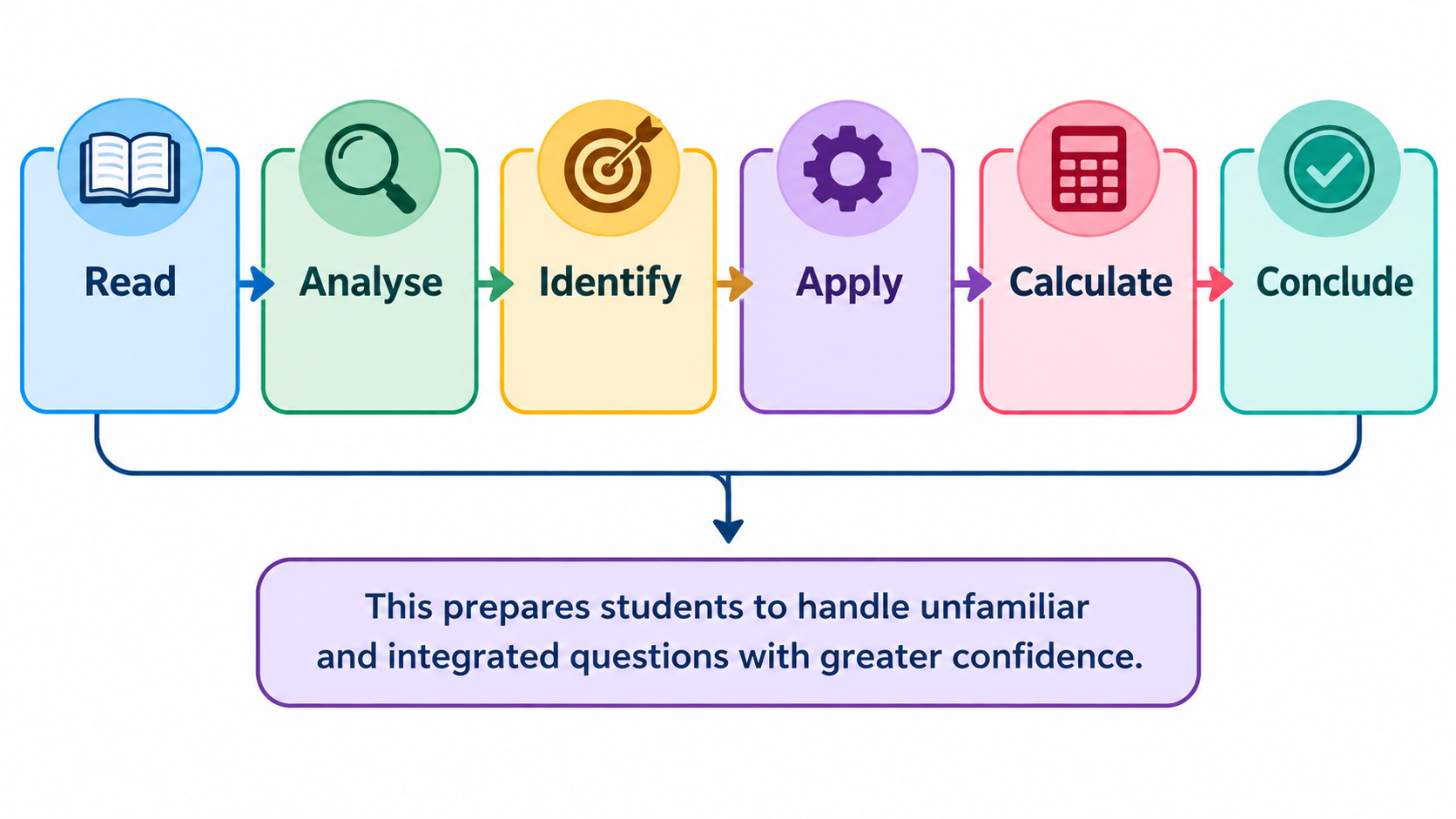
Recognition of the problem in accounting
Application of the principle
Calculation
Working notes preparation
Journal entry passage
Arrival at the final solution
A simple way is to read, recognise, apply, calculate, and arrive at the solution.
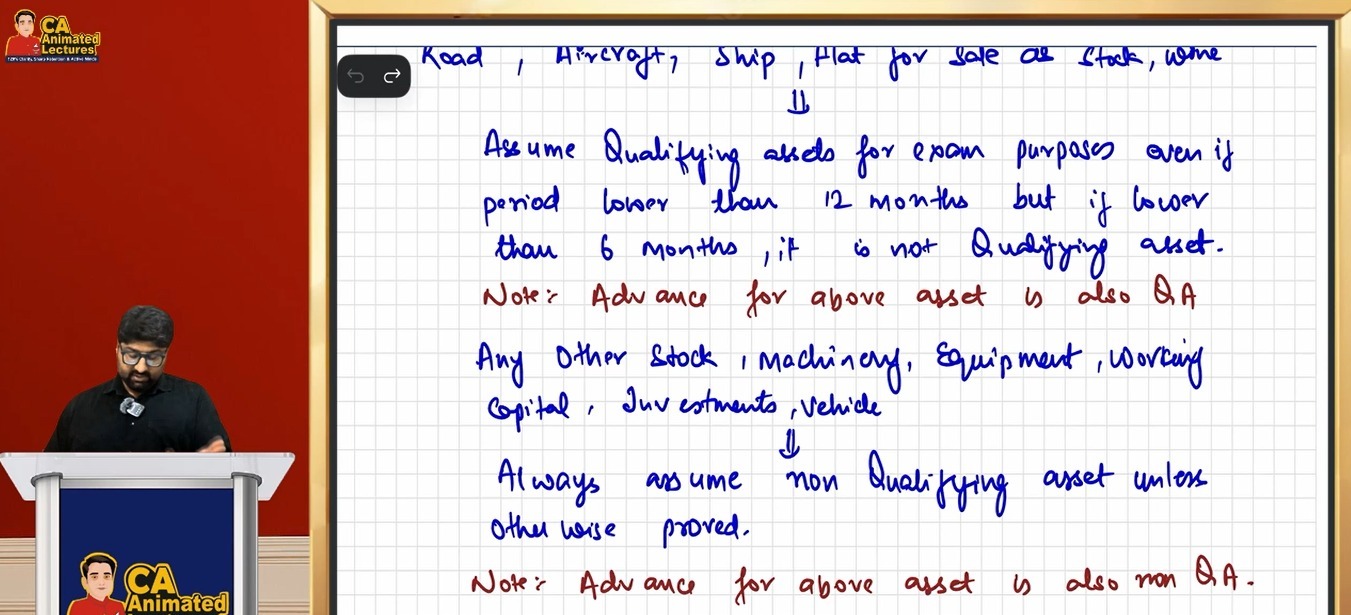
Exclusive Study Resources provided by CA Vinayak Sikka
Concept Notes | |
Previous Year Papers | |
Important Questions | |
Question Bank | |
Charts and Notes |
Advanced Accounting Classes: CA Vinayak Sikka vs. Other Coaching Institutions
Features | Other Institutions | |
Animation Lectures | x | ✓ |
Study Planner | x | ✓ |
Mentoring | x | ✓ |
Live Tests | x | ✓ |
Extensive Notes | x | ✓ |
Handwritten Notes | x | ✓ |
Question Bank | x | ✓ |
Revision Notes | x | ✓ |
What to Look for in an Advanced Accounting Test Series
A strong test series does more than just test you—it should ideally contain:
Questions in line with the syllabus and examinations
Chapter-level and full-length tests
Evaluation of answers
Feedback on each question
Analysis of mistakes and weak areas
Suggestions for answer writing and time management
Guidance for revision
Performance monitoring
Each test should help students identify mistakes and improve upon them for the next test.
Test Strategy Based on Preparation Level
Your testing strategy must vary depending on the amount of time remaining for preparation and the extent of the syllabus covered. Appropriate testing techniques can enhance the learning process by improving conceptual understanding, revision, speed, accuracy, and exam preparedness.
Preparation Time | Recommended Test Type | Purpose |
Less than 3 months | Topic-Wise Tests | Improve concepts and discover topic-related deficiencies. |
3 to 6 Months | Chapter-Wise / Revision Tests | Enhance chapter-wise knowledge and application skills. |
Under 1 Month | Full-Length Mock Tests | Simulate the exam and improve speed, accuracy, and time management. |
Individual Practice Depending on the Test Results
Each student has individual requirements for their preparation. Performance assessment can help identify these gaps.
Conceptual errors → Concept practice
Numerical errors → Practice numerical questions
Time-based errors → Time-based question practice
Answer writing → Improve answer writing practice
Revision → Do revision tests
This makes preparation more targeted.
Practicing Application-Based Questions
Increasing Accuracy by Testing Repeatedly
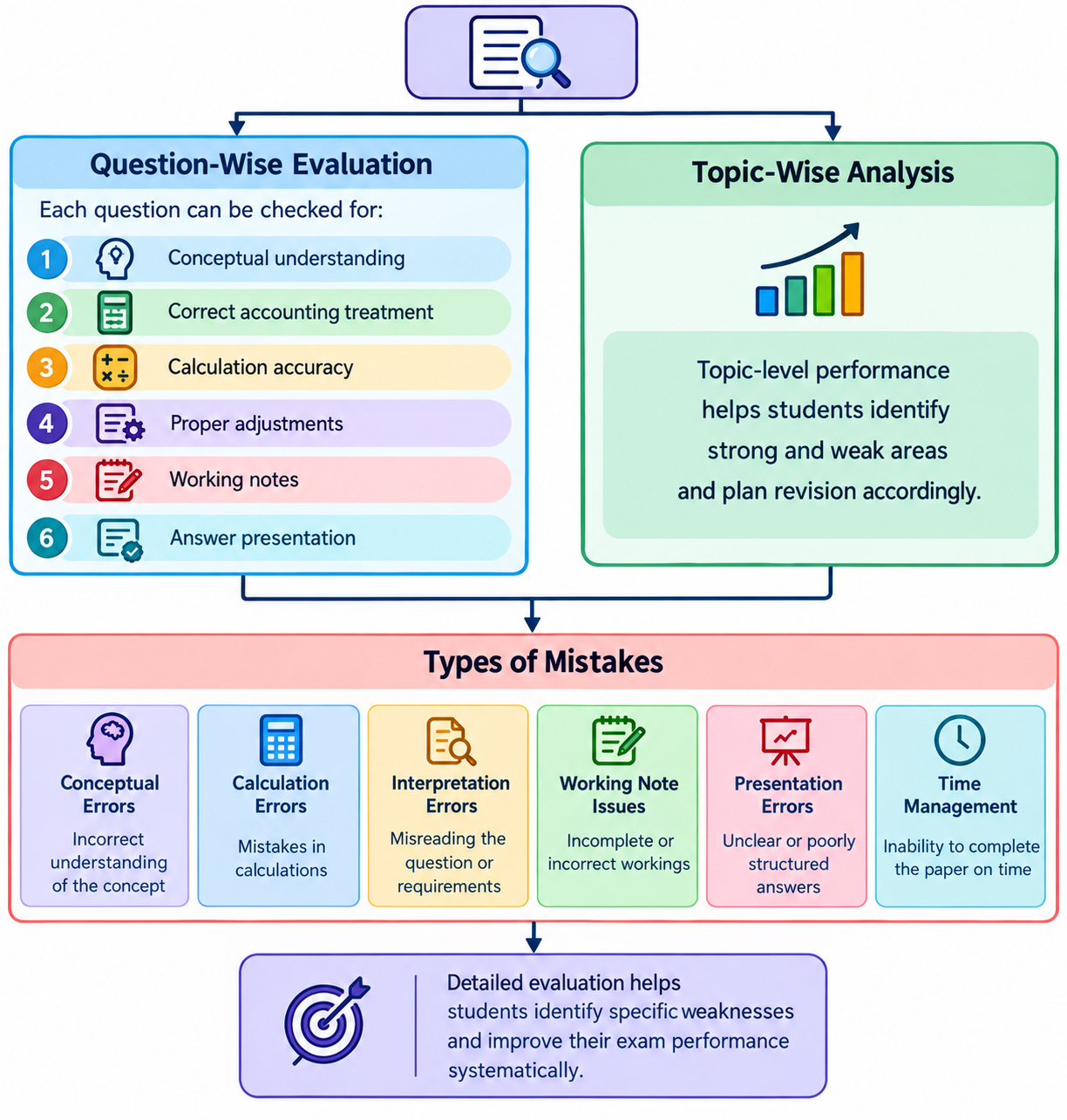
Repeat testing helps students recognize and correct repeated errors; these may include:
Incorrect calculation
Omissions
Faulty accounting treatment
Lack of working
Wrong interpretation of the question
Poor time management
Who Benefits from Advanced Accounting Classes with Regular Tests?
Such an organised method can be helpful for students in different situations:
Beginners: Create sound concepts from fundamentals.
Students with Strong Concepts: Develop practical skills with frequent practice.
Students Scoring Low Marks: Learn to spot their weaknesses.
Exam-Ready Students: Practice by taking full test papers.
Students in Final Revision: Locate their weak points and study them
Why Detailed Evaluation Matters in Advanced Accounting
Taking a test is not an end in itself; detailed evaluation helps identify where students go wrong. A student who scores 60 marks out of 100 and one who scores 75 out of 100 may have made very different kinds of mistakes: one may have lost marks on conceptual errors in a consolidation problem, while the other may have gotten the concept right but lost time and marks on working-note presentation. A simple score does not distinguish between the two.
How Evaluation Shapes Future Preparation
Evaluation provides an opportunity to learn something from every test. It assists in figuring out:
Areas where marks were lost
Concepts that should be revised
Conceptual or computational mistakes made by students
Quality of work and presentation
Problems with time management
Topics that need more practice
Thus, evaluation helps students prepare better for future tests.
CA Vinayak Sikka Evaluation: Consolidation Entries and Error Analysis
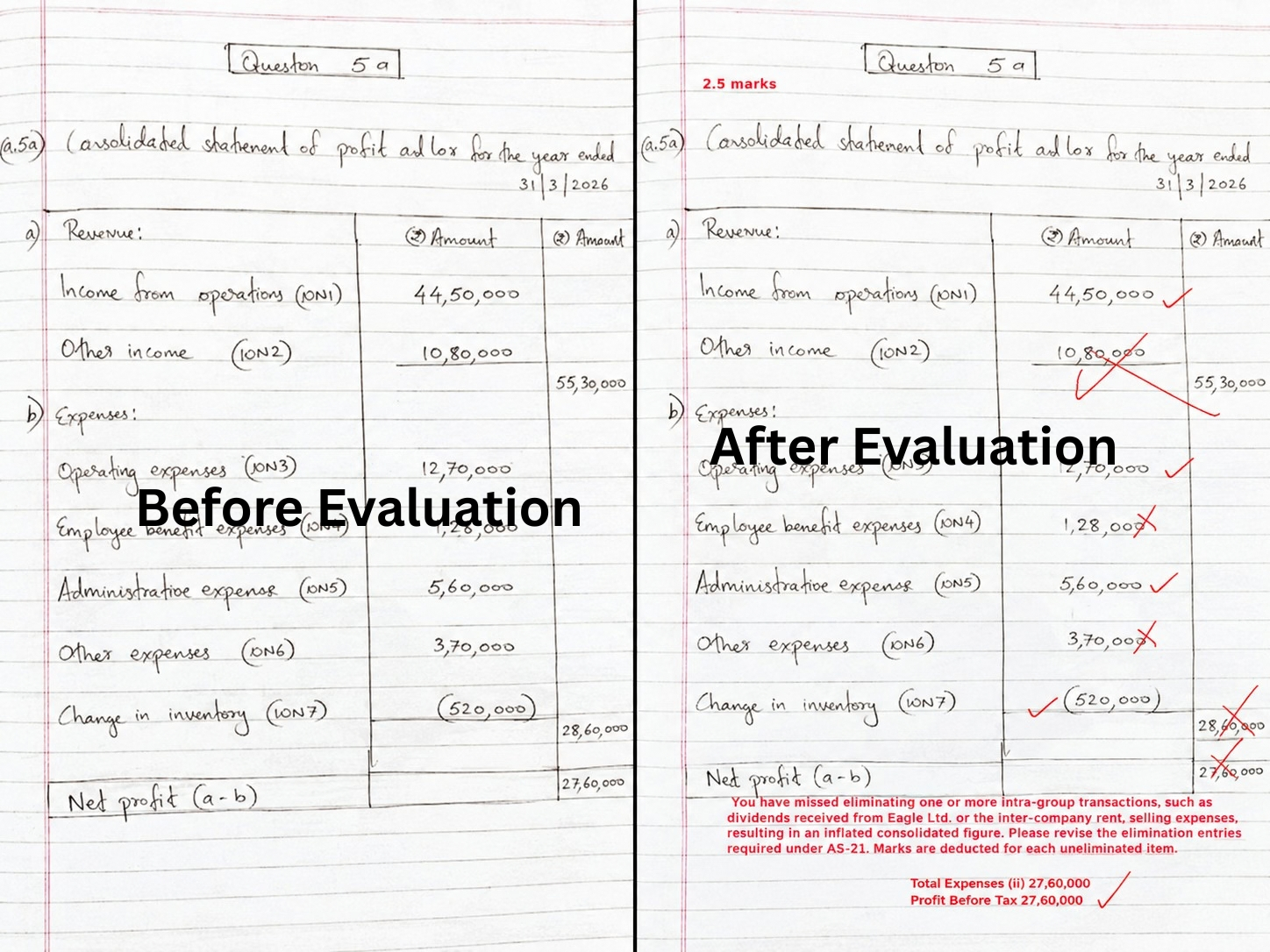
Marking Criteria:
Points are awarded progressively.
Errors are easily recognisable.
Marks are deducted if a wrong step or concept is used.
Practical knowledge and application are also considered.
Marks are given for correct working, calculations, and relevant points.
The final answer alone is not considered; the complete working is checked.
Marks are given as per the general ICAI marking approach.
Role of the Teacher in Advanced Accounting Preparation
A teacher aids students in grasping concepts, developing their ability to solve problems, and preparing well for the examination.
Develop concepts starting from fundamentals.
Illustrate concepts through real-life examples.
Show how numbers can be used to solve problems.
Indicate the mistakes often made.
Practice in an examination-oriented manner.
Conduct tests regularly.
Offer personalised feedback.
Identify areas for improvement.
These combined efforts help students build accuracy, confidence, and presentation.
Conclusion
For CA Inter Advanced Accounting classes, a structured test series, strong concepts, consistent practice, and revision are essential. Classes build the knowledge, and structured tests help students apply what they've learned, identify their exact mistakes, and improve steadily with every attempt so that by exam day, accuracy and presentation both come naturally rather than under pressure.