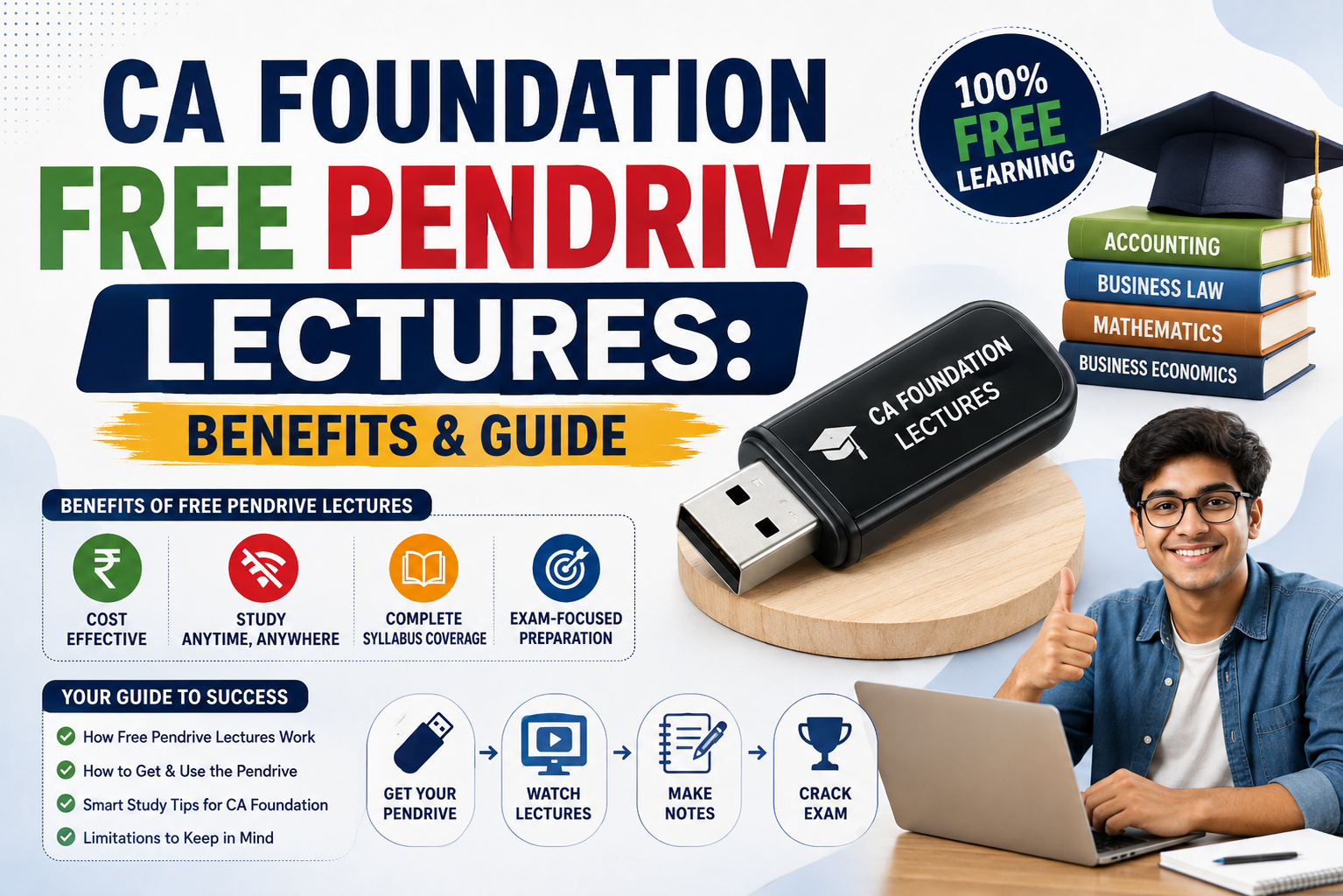
CA Foundation Free Pendrive Lectures: Benefits & Guide
Introduction
Choosing the right lectures is crucial when preparing for the CA exams. However, some students can continue their preparation by choosing options like free CA Foundation pendrive lectures, also commonly referred to as CA Foundation pendrive classes. With the help of recorded lectures, students can study at their own convenience and revisit difficult topics whenever necessary. In this article, we will explore in detail what free CA Foundation pendrive lectures are, the content they offer, the subjects covered, the differences between free and paid lectures, and the factors to consider when choosing free lectures.

CA Foundation Free Pendrive Lectures – An Overview
CA Foundation Free Pendrive Lectures generally mean those recorded lectures which are provided to the students through a pendrive. With the help of recorded lectures, students can revise their topics again and again as per their convenience. But sometimes in free courses, instead of covering the entire syllabus, lectures are provided only on particular or selected topics; hence, before choosing this facility, it is very important to know whether all the topics are covered and are as per the updated syllabus. To make free lectures effective, students should not just depend on videos but should also include ICAI Study Material, PYQs, RTPs, MTPs and Mock Tests in their preparation.
How Do Recorded Pendrive Lectures Work?
Students can utilise free CA Foundation pendrive lectures as a self-paced learning option. This format eliminates the need to adhere to fixed class schedules; students can watch lectures at their convenience, take notes on key points, and replay difficult concepts to ensure understanding.
These lectures can be helpful for students who want some extra support with their regular studies. Nevertheless, “free” does not necessarily mean that the whole course will be available. The student might realise that only demo lectures, some chapters, or even some lessons are free while the entire lecture series is paid.
Therefore, when deciding on attending free lectures, it becomes very important to evaluate them thoroughly.
Why do Students Look for Free CA Foundation Pendrive Lectures?
Students often search for free pendrive lectures to prepare for the CA Foundation exam, and there can be various reasons for this. The primary reason is cost; not every student can afford paid classes or expensive lecture courses, making free lectures a helpful option for them. Another benefit of recorded lectures is that students can study at their own pace. If a topic proves difficult to grasp initially, the lecture can be re-watched to clarify the concept. Some students wish to understand a faculty member’s teaching style and method of explanation before committing to a full course, so they try out free or demo lectures. Moreover, for students who are studying by themselves or have difficulties in comprehending particular topics, free lectures are a valuable source of additional help in their studies. Nevertheless, when selecting free lectures, it is crucial to make sure that they are up-to-date and match the latest CA Foundation syllabus.
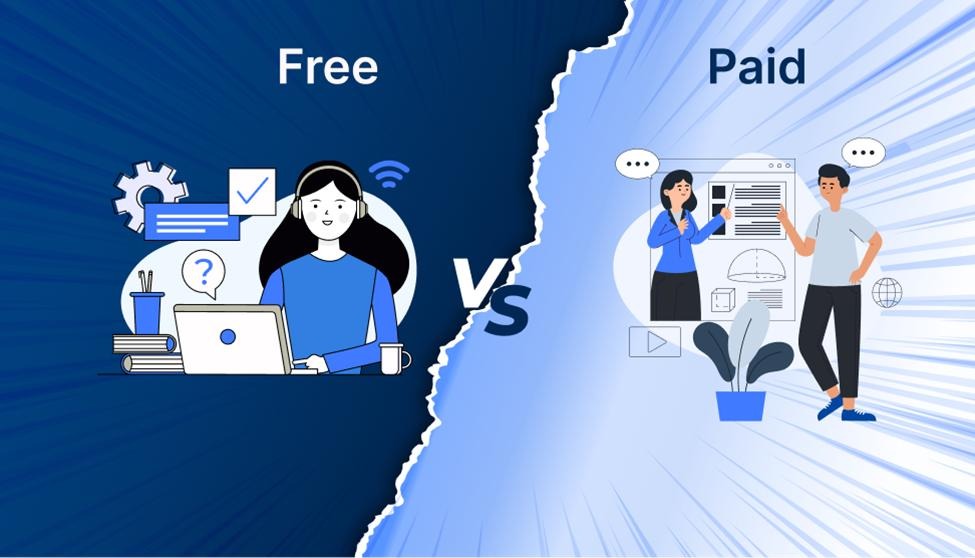
Free vs Paid Pendrive Classes: What's the Difference?
Key Factors | Free CA Foundation Lectures | Paid Pendrive Classes |
Cost | These lectures are free, so most students can afford them. | Students have to pay a fee for this, and the costs can vary - sometimes being expensive and other times affordable. |
Availability of Class | It involves only a limited or selected number of lectures. | It provides almost the entire series. |
Syllabus Coverage | The syllabus coverage in this is limited. | This course covers the whole syllabus of the subject. |
Study Material | Although some lectures cover the study material, in many cases, the coverage is inadequate or virtually non-existent. | A good amount of study material - such as notes, PDFs, and mock tests- is provided alongside these lectures. |
Doubt Support | Doubt-solving support is limited in free lectures. | Along with these classes, doubt-solving support is definitely provided. |
Revision | Along with these lectures, students have to plan their own revision. | Revision strategy or separate revision lectures are provided as part of the paid lectures. |
Practice Questions | Practice questions are limited in the free lectures. | These lectures often cover the preparation for questions from previous years as well as other important questions. |
Faculty Selection | In these lectures, we can examine the teacher’s teaching methods and strategies. | In these lectures, you can follow the faculty’s complete teaching approach. |
Best For | For self-study and additional learning support. | These lectures are for complete and structured preparation. |
Benefits & Limitations of Free CA Foundation Classes
Benefits of Free CA Foundation Classes
Freedom to study at your own pace
Revisiting difficult topics as per your convenience
Watching lectures according to your study schedule
Getting extra help on specific topics
Support for self-study
Understanding the faculty’s teaching pattern
Affordable and easy to access
No time limitation for attending the classes
Limitations of Free CA Foundation Classes
Need for self-discipline regularly
Creating a proper study plan on their own
Resolving doubts independently
Difficulty in managing practice along with lectures individually
Staying motivated every day
Free content may not be of good quality
Practice questions and material are insufficient.
Coverage of the syllabus is small.
How to Select the Right Recorded Lectures?
When selecting CA Foundation lectures, students should not focus solely on price or availability. It is also important to consider the teaching style, syllabus coverage, study material, revision support, and their own study routine.
Teaching Style of the Faculty: Before choosing the faculty, it's important to check the teaching style of the teacher. If their teaching pattern is suitable according to your study routine, then it is the right faculty. Because each student has a different study pattern and schedule.
Latest Syllabus: The lectures are only according to the ICAI’s latest syllabus and latest amendments. With the latest syllabus, students can easily prepare for their final exams.
Coverage of the Whole Syllabus: Sometimes, free lectures do not provide the complete syllabus, so it's an important factor to check the syllabus before choosing the right faculty. Checking the coverage of the syllabus is a must.
Match the Format with your routine: The format of the lectures needs to match your routine in order for you to prepare well; the format of your lectures should suit your daily routine.
Study Material & Doubt-solving Support: When choosing a faculty, also consider how useful their study materials—such as charts, summaries, and question banks—will be for your preparation. Additionally, check whether doubt-solving support is available, as timely clarification of doubts can improve your learning experience.
Revision Support: You should also check what revision support the faculty provides, such as notes, summaries, charts, revision lectures, or quick revision material. These resources can make it easier to revise important topics before the exams.
Student Reviews: Student reviews can give you an idea about the teacher’s teaching style and overall lecture quality. However, the same teacher may not be the best choice for every student, so use reviews as a guide only.
Demo Lectures: Watch lectures from 2-3 teachers for each subject and see which teacher’s lectures suit you best.
What to Check Before Choosing Free Pendrive Lectures?
Before choosing free pendrive lectures, do not focus only on whether they are free. A few simple checks can help you decide whether the lectures will actually be useful for your preparation.
Check Whether the Lectures Are Complete: First, find out whether the pendrive includes the complete course or only selected chapters, topics, or demo classes. Incomplete lectures may create gaps in your preparation.
Check the Subjects and Syllabus Coverage: Make sure the lectures cover the CA Foundation subjects and the topics you need to study. It is better to check the syllabus coverage before starting rather than finding missing topics later.
Look at the Lecture Sequence: Lectures should ideally be arranged chapter-wise or in a proper sequence. A clear order makes it easier to follow the subject without wondering what to study next.
Check for Notes and Practice Material: See whether the lectures come with useful study material such as notes, PDFs, summaries, charts, question banks, or practice questions. These resources can make revision much easier.
Make Sure the Lectures Are Easy to Access: The learning process should be simple. Check whether the lectures can be opened and played easily without unnecessary technical problems or complicated access requirements.
Check Whether the Content Is Updated: CA Foundation students should make sure that the lectures follow the latest applicable syllabus and relevant updates. Studying from outdated content can create confusion during preparation.
Check for Any Additional Cost: Some resources may be advertised as free but may require payment later for notes, additional lectures, access, or other features. Check the terms beforehand so there are no surprises.
Choose Lectures That Match Your Learning Style: The best lecture is not necessarily the one that everyone recommends. During your CA Foundation lecture selection, consider the faculty's teaching style, your level of understanding, learning speed, and the amount of explanation you need.
Common Errors Made by Students While Selecting Free Lectures
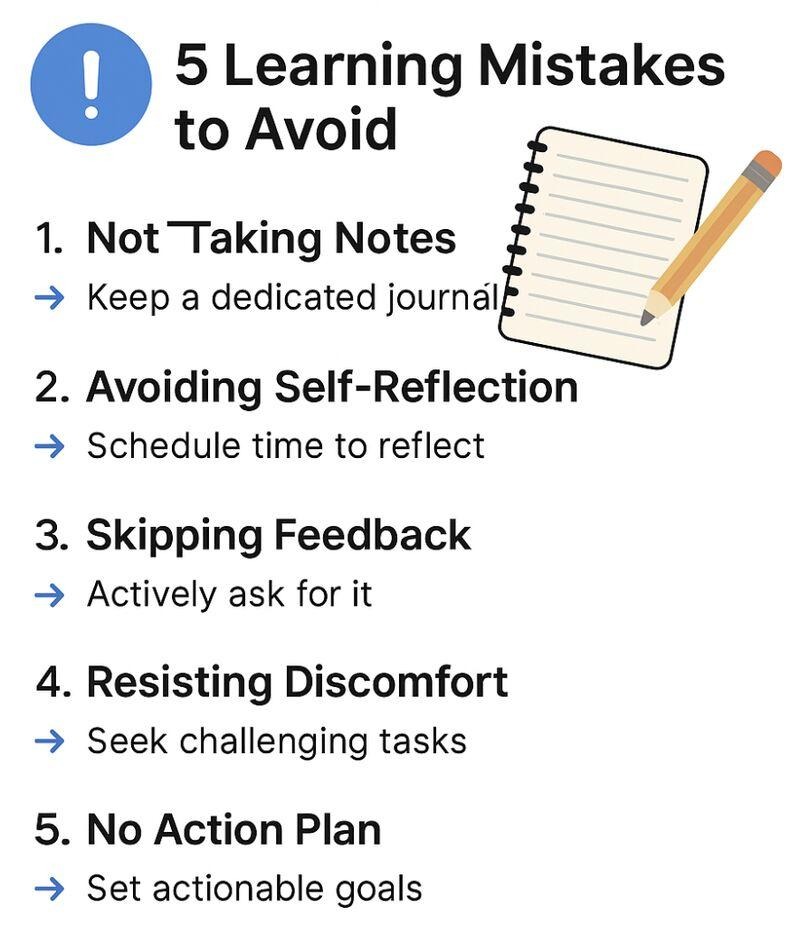
Free lectures might serve you well, but selecting a free lecture without verifying its relevance and worth can result in trouble in the future. Some common errors made by students while selecting free lectures include the following:
Selecting a lecture solely based on its being free: Just because a lecture is free doesn’t make it worthwhile to attend. Check whether the lecture is suitable for your preparations from the very beginning.
Treating demo lectures and free lectures as the same: A demo lecture is mainly meant to give you an idea of a faculty member's teaching style. A free lecture may be an actual part of the course or may cover a particular topic. Understanding this difference can help you choose more wisely.
Dependence on very old Lectures without verifying the syllabus: Lectures delivered some years ago may no longer be relevant due to changes in the syllabus. Always verify whether the lecture content is still relevant.
Changing faculties too often: Switching between different faculties for the same subject can make your preparation confusing. Once you find a faculty whose teaching style works for you, following the lectures consistently is usually a better approach.
Considering faculty members solely based on their reviews: While reviews can be useful, they shouldn’t form your entire basis for making such an important choice, as a faculty that may be good for one student may not work for someone else.
Sitting through lectures without practising: Understanding something is only half the battle, as you must also solve questions and take mock tests to evaluate how ready you really are for the exams.
Collecting too many free materials: Collecting all kinds of lectures and PDFs is a sure-shot way to make your preparation process difficult, as this will increase your confusion instead of helping you.
Leaving revision until the end: Students sometimes focus only on completing lectures and forget about revision. Make sure you have enough time for revision, practice, and mock tests alongside your lectures.
Disregarding whether the course meets your requirements: What works for one student may not necessarily work for you as well. You have to factor in your own pace of learning, your own understanding, and your own comfort level before signing up for a certain series of lectures.
Are Free Demo Lectures Better than Random Free Lectures?
Both free demo lectures and random free lectures can be useful for students, but they serve slightly different purposes. Demo lectures primarily help in understanding the faculty’s teaching style, whereas random free lectures can be useful for specific topics or additional learning support.
Key Features | Free Demo Lectures | Random Free Lectures |
Main Purpose | To provide an overview of the faculty’s teaching style and the basic concept of the course. | They can be used to understand a particular topic or for extra help. |
Sources | They are usually officially provided by faculty, teachers, or coaching platforms. | Sources will be from different categories. |
Teaching Style | It helps in understanding the faculty’s actual teaching method. | One doesn’t always get a clear idea of the teaching style. |
Lecture Quality | It is usually planned or structured. | Quality may depend on the lectures. |
Syllabus Relevance | Generally, the topics are selected based on the course or syllabus. | You may need to verify whether a topic is a part of the current syllabus. |
Best Use | To get an understanding of the faculty before purchasing a paid course. | To understand specific topics or for additional learning. |
Student Decision | It helps students determine whether the faculty is suitable or not. | Students have to verify the content and sources themselves. |
Who Can Benefit Most from Free Recorded Lectures?
Beginners: Students who are just starting their CA Foundation preparation can use free lectures to understand basic concepts. This also gives them a fundamental idea of the subjects.
Self-study Students: Students who are studying on their own can use free lectures to supplement their preparation. If they do not understand a particular topic, the lectures can provide extra help.
Budget-controlled students: For students who do not wish to spend a lot of money on paid classes, free lectures can be a useful option. This allows them to start their preparation without any extra cost.
Students trying a new faculty: If you want to try the faculty, you have to take a free or demo lecture from that faculty. By this, you just get an idea about the teaching style and explanation of the teacher.
Students with weak topics: If you are facing difficulties with a particular topic, you can re-learn the concept by watching a free lecture on it. It is also easy to revisit difficult topics.
Repeat students: Students who have already done the CA Foundation course can take the free lectures to identify their past mistakes in specific topics.
Students looking for extra support: Free lectures can be used alongside the regular classes as additional support. It can help to understand some difficult chapters and topics as well.
Students who prefer flexible learning: Students who don’t want to follow a structured schedule of the lectures can take the recorded lectures. Because they can pause and play the lectures as per their convenience and their study pattern.
Conclusion
Overall, free CA Foundation pendrive lectures can be a helpful option for students, especially those looking to start their preparation on a budget. Since the lectures are recorded, students can study at their convenience and revisit difficult topics as often as needed. These lectures can be useful for beginners, self-study students, repeaters, and those wishing to try out a new faculty member.
But at the time of selecting free lectures, one should not be guided by the mere point that they are available for free. One must first make sure that the lectures are well-prepared, according to the updated syllabus, on all the required topics and have supporting resources such as notes, revision and practice questionnaires. All free lectures are not enough to prepare fully for the CA Foundation. Students can also use CA Foundation revision lectures to revise important concepts before the examination.
Hence, rather than accumulating all free resources, the student must follow some selected and helpful lectures. Moreover, in order to prepare thoroughly, they must include ICAI study materials, PYQs, RTPs, MTPs, Practice Questions, revision and mock tests. In summary, while free lectures may be used as an additional tool, preparation becomes really effective only when combined with proper planning and practice.